Windows are a key part of every home. They bring light, fresh air, and outside views inside. But many people feel confused when they hear the terms window seal and window sill. They sound similar, but they mean very different things.
Understanding Window Seal or Sill? is important for homeowners. It helps you maintain your windows and avoid costly damage. Many people use the words interchangeably, but each part has a unique role in keeping your home safe and comfortable.
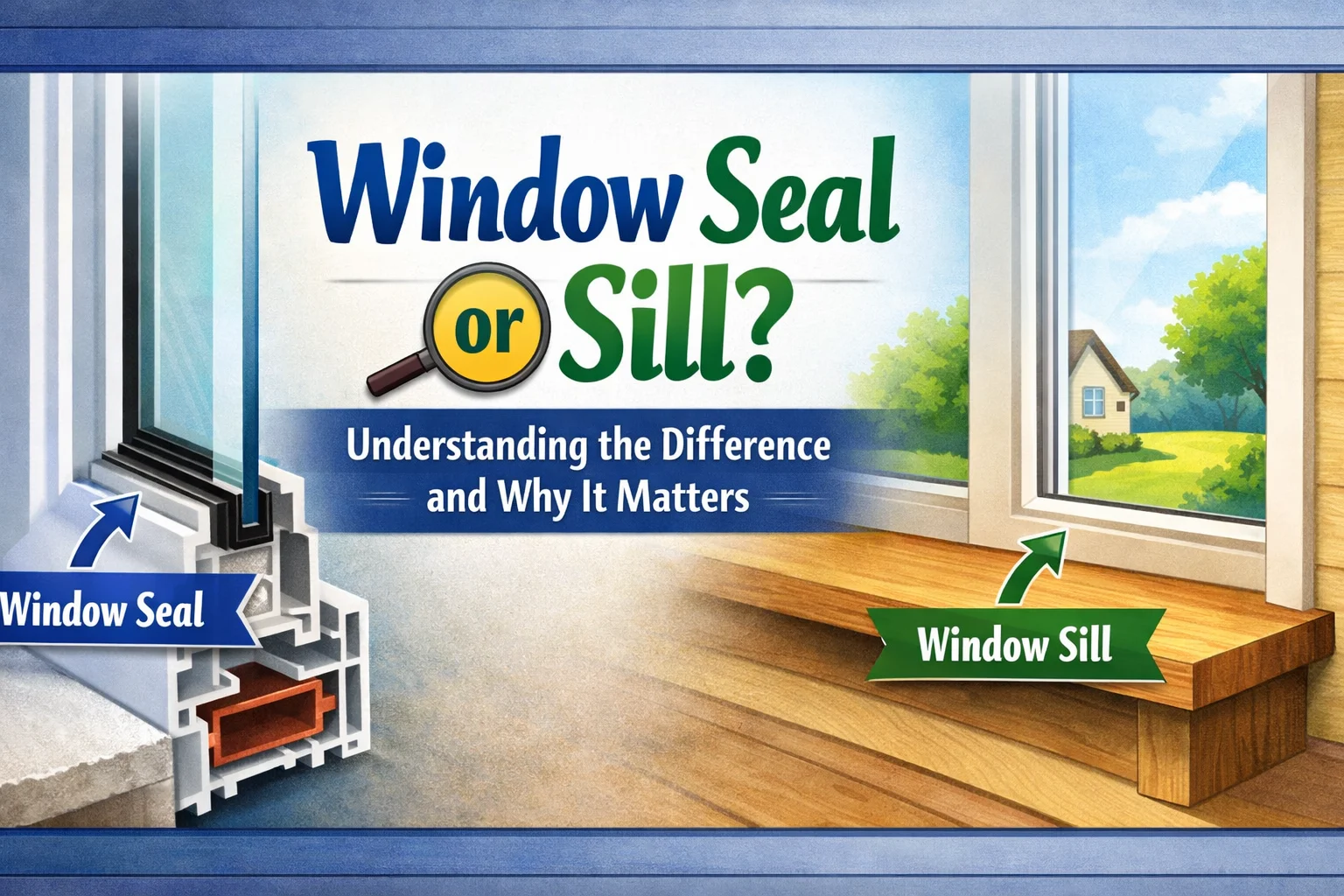
In simple terms, a window seal protects the window glass from air and moisture leaks. A window sill supports the window frame and helps water drain away. Both parts are essential, but they work in different ways.
Knowing the difference can help when repairing windows, talking to contractors, or fixing small problems yourself. In this guide, we will clearly explain Window Seal or Sill? and show you how each one works.
By the end, you will easily recognize both parts and understand why they matter for your home.
What Is a Window Seal?
A window seal is the protective barrier around the edges of a window. It prevents air, water, and dust from entering your home.
Modern windows often use double or triple glass panes. These panes are sealed together with a special insulating material. This seal traps gas between the glass layers. The trapped gas improves insulation and energy efficiency.
If the seal breaks, outside air and moisture can enter the window unit. This can cause foggy glass or water between panes. That is one of the most common signs of seal failure.
When people search for Window Seal or Sill?, they usually want to know why their window looks cloudy or drafty. In many cases, the seal is the cause.
A healthy seal keeps indoor temperatures stable. It also prevents mold, condensation, and energy loss.
Without a proper window seal, your heating and cooling systems must work harder. That can increase energy bills and reduce comfort inside the home.
What Is a Window Sill?
A window sill is the flat surface at the bottom of a window frame. It sits inside or outside the wall.
The sill supports the window frame and helps guide rainwater away from the wall. It also protects the wall below the window from water damage.
When discussing Window Seal or Sill?, the sill is easier to recognize. It is the part where people place plants, decorations, or small objects.
Exterior window sills are slightly angled downward. This design allows rainwater to flow away from the house.
Interior sills are usually flat and decorative. They can be made from wood, stone, vinyl, or marble.
A damaged sill can cause serious problems. Water can enter the wall and lead to rot, mold, or structural damage.
Because of this, keeping the sill in good condition is just as important as maintaining the window seal.
Window Seal vs Window Sill: Key Differences
Understanding Window Seal or Sill? becomes much easier when you compare them directly.
| Feature | Window Seal | Window Sill |
|---|---|---|
| Location | Around the glass panes | Bottom of the window frame |
| Purpose | Prevents air and moisture leaks | Supports the frame and directs water away |
| Visibility | Usually hidden | Clearly visible |
| Common Issues | Foggy glass, drafts | Rotting wood or water damage |
| Maintenance | Often requires professional repair | Can sometimes be repaired or replaced easily |
This table clearly shows that both parts serve very different functions. One focuses on insulation, while the other helps with structure and drainage.
Why People Confuse Window Seal and Sill
Many homeowners mix up these terms. The confusion is very common.
One reason is that both words sound similar. When someone hears Window Seal or Sill?, they may think the terms mean the same thing.
Another reason is that both parts protect the home from water and air problems. When windows leak or show damage, it is not always obvious which part caused the issue.
Some people also use the words incorrectly in everyday conversation. Over time, this creates misunderstandings.
Contractors and builders usually know the correct terms. But homeowners may only learn the difference when something breaks.
Once you understand where each part sits and what it does, the confusion disappears quickly.
Signs Your Window Seal Is Broken
A broken seal is a common window problem. Many modern windows use sealed glass units that can fail over time.
Here are some clear signs of seal failure:
- Fog or condensation between glass panes
- Water droplets inside the glass
- Drafts near the window
- Higher energy bills
- Cloudy or distorted window glass
When researching Window Seal or Sill?, these symptoms usually point to the seal rather than the sill.
Seal damage often occurs due to age, temperature changes, or poor installation. Sunlight and weather exposure can also weaken the seal.
Unfortunately, fixing a seal is not always simple. In many cases, the glass unit must be replaced.
However, identifying the problem early can prevent bigger issues and help you plan repairs sooner.
Signs Your Window Sill Needs Repair
Unlike seals, window sill problems are usually visible. Damage can often be seen with the naked eye.
Common signs include:
- Cracked or chipped surfaces
- Peeling paint
- Soft or rotting wood
- Water stains
- Mold growth
If you are asking Window Seal or Sill?, and the damage appears on the flat bottom part of the window, it is likely the sill.
Exterior sills face harsh weather conditions. Rain, sunlight, and temperature changes slowly weaken the material.
Wooden sills are especially vulnerable to moisture damage.
Repairing a sill early is important. Small cracks can quickly turn into larger structural issues.
Regular inspections can help prevent costly repairs in the future.
Materials Used for Window Seals and Sills
Both window seals and sills use different materials designed for their specific roles.
Window seals often use:
- Silicone
- Rubber
- Polyurethane
- Butyl sealant
These materials are flexible and waterproof. They help maintain a tight seal around the window glass.
Window sills, on the other hand, focus on durability and strength.
Common sill materials include:
- Wood
- Stone
- Marble
- Vinyl
- Aluminum
- Concrete
Each material offers different benefits. For example, wood looks beautiful but requires maintenance. Stone and concrete are stronger and last longer.
Knowing these materials helps you better understand Window Seal or Sill? and how each part protects your home.
How Window Seals Improve Energy Efficiency
Window seals play a major role in energy efficiency. They prevent heated or cooled air from escaping the home.
When the seal is intact, the window acts as an insulating barrier. The gas between glass panes reduces heat transfer.
This means your air conditioner and heater do not have to work as hard.
When homeowners research Window Seal or Sill?, they often learn that seal failure can increase energy costs.
Even a small leak can cause noticeable temperature changes indoors.
Replacing a damaged seal or window unit can improve insulation. Over time, this saves money on energy bills.
Good window seals also reduce outdoor noise and improve comfort inside the house.
How Window Sills Protect Your Walls
Window sills have a very practical purpose. They guide water away from the window and wall.
Rainwater naturally runs down the glass. Without a sill, water would seep into the wall below the window.
Exterior sills are slightly sloped for this reason. This design helps water drain away quickly.
When discussing Window Seal or Sill?, many people forget how important this simple structure is.
A damaged sill can allow moisture to enter the wall. Over time, this can cause rot, mold, or insulation problems.
Keeping the sill clean and sealed helps prevent these issues.
It is a small part of the window, but it plays a big role in protecting your home.
Can You Repair a Window Seal or Sill Yourself?
The answer depends on the type of damage.
Window sill repairs are often DIY-friendly. Small cracks or paint damage can be fixed with basic tools.
For example, you can sand the surface, apply wood filler, and repaint the sill.
However, fixing a broken window seal is more complicated. The sealed glass unit is usually factory-made.
Because of this, many homeowners must replace the glass panel or the entire window.
When thinking about Window Seal or Sill?, it helps to know that sill repairs are usually easier and cheaper.
Seal repairs often require professional help.
Understanding this difference can save time and prevent frustration.
Maintenance Tips for Healthy Windows
Regular maintenance can extend the life of your windows.
Here are simple steps homeowners can follow:
- Inspect windows twice a year
- Clean dirt from the window frame and sill
- Check for cracks or peeling paint
- Reseal small gaps with caulk
- Watch for condensation between panes
These steps help prevent both seal and sill problems.
When homeowners understand Window Seal or Sill?, they can quickly identify issues before they grow worse.
Simple maintenance can add years to the life of your windows.
It also keeps your home energy efficient and comfortable.
FAQs About Window Seal or Sill?
1. What is the main difference between a window seal and a window sill?
A window seal prevents air and moisture leaks around the glass. A window sill supports the window frame and directs water away from the wall.
2. How do I know if my window seal is broken?
Common signs include foggy glass, condensation between panes, and drafts near the window.
3. Can a damaged window sill cause leaks?
Yes. A cracked or rotting sill can allow rainwater to enter the wall and cause structural damage.
4. Is it expensive to repair a window seal?
Repair costs vary. In many cases, the sealed glass unit must be replaced, which can be more expensive than sill repairs.
5. Can I replace a window sill myself?
Yes. Many homeowners replace or repair wooden sills using simple tools and materials.
6. How long do window seals usually last?
Most window seals last 10–20 years, depending on climate, installation quality, and window type.
Conclusion
Understanding Window Seal or Sill? may seem simple, but it can make a big difference for homeowners.
These two window parts perform very different jobs. The window seal protects against air and moisture leaks. The window sill supports the frame and directs rainwater away from the wall.
Both components are essential for keeping your home comfortable and protected.
Knowing the difference helps you identify problems quickly. It also allows you to communicate clearly with contractors and repair professionals.
Regular inspections and simple maintenance can prevent many window issues.
If you notice foggy glass, drafts, or water damage, take action early. Small repairs today can prevent costly replacements tomorrow.
Now that you understand Window Seal or Sill?, you can better care for your windows and keep your home safe, efficient, and beautiful for years to come.